
Game Overview
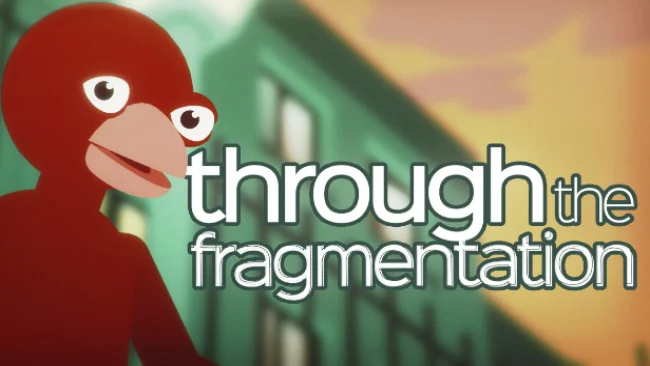
A deserted, uncanny City serves as the centerpiece of a first-person adventure built around curiosity rather than combat. Through The Fragmentation drops you into a place where its residents speak in riddles, familiar spaces hide unsettling details, and the cause of the city’s collapse gradually takes shape through conversation and observation. The mood is quiet, surreal, and occasionally oppressive, with atmospheric audio doing much of the work to sell the feeling that something has gone deeply wrong. Rather than pushing you down a single route, it lets you decide how deeply to involve yourself in the lives and mysteries around you.
Most of the experience revolves around walking the city, inspecting its unusual environments, speaking with inhabitants, and following leads that may or may not connect to the central mystery. Objectives often remain optional, and several situations allow different solutions, encouraging players to pay attention rather than simply chase waypoint markers. Conversations matter because characters remember prior interactions, while your decisions influence which conclusion you reach. Hidden rooms, small environmental details, and achievements reward methodical exploration, so players who linger and revisit places get more from the world than those who rush toward an ending.
Its strongest feature is the sense of a lived-in but broken place: the City feels less like a conventional puzzle box and more like an abstract social space full of personal stories. The low-key presentation and detailed soundscape make headphones worthwhile, especially when distant voices and ambient noises add tension to otherwise empty streets. Players expecting action, complex inventory puzzles, or a heavily scripted cinematic narrative may find its pace too deliberate, but fans of first-person narrative mysteries such as Dear Esther, The Beginner’s Guide, or the quieter side of adventure games should appreciate its openness. Through The Fragmentation suits patient explorers who enjoy assembling meaning from dialogue, atmosphere, secrets, and consequences across multiple playthroughs.
Screenshots
Installation
- Select the Download button at the top of this page to open UploadHaven.
- On UploadHaven, wait for any countdown, then select Free Download. Optional: UploadHaven Pro for faster downloads.
- When complete, extract the archive to a Through The Fragmentation folder using 7-Zip.
- Open the extracted folder and start the game normally.
- For errors, check Setup Guide & Troubleshooting below. Keep your security software enabled.
System Requirements
- OS: Windows 7 32bit
- Processor: Intel(R) Core(TM) i3-2330M CPU @ 2.20GHz
- Memory: 4 GB RAM
- Graphics: Nvidia GeForce G 105M 512 MB
- DirectX: Version 11
- Storage: ∿250 MB available space
- Sound Card: Onboard Sound
Setup Guide & Troubleshooting
How do I fix missing DLL errors for Through The Fragmentation (v1.1.0)?
After extracting Through The Fragmentation (v1.1.0), navigate to the _Redist or _CommonRedist folder inside the game directory and install DirectX, Vcredist, and any other dependencies included.
What should I do if the downloaded file is corrupted?
The full archive is 157.00 MB — make sure your download completed fully before extracting. Use 7-Zip to extract the files. If you still see a "file corrupted" error, re-download and try again.
Do I need to run the game as administrator?
Usually, no. Start the game normally from the extracted folder. If you see a permissions or save error, check that the folder is writable and follow the game's documented fix. Only grant administrator access when a trusted game's specific setup requires it.
How do I update my GPU drivers for this game?
The game won't launch — what should I try?
Check that extraction completed and your PC meets the system requirements, including Version 11. Note any error message before choosing a fix. If it identifies a missing runtime, install the required DirectX components or Microsoft Visual C++ Redistributable from Microsoft.
My antivirus is blocking the game — is it safe?
A warning needs to be investigated; the download source alone cannot confirm that a file is safe. Keep your security software enabled and review the detection details. Do not run or restore a flagged file unless you have verified that it is a false positive. If you are unsure, leave it quarantined.